Objective
Build an app that connected farmers with consumers, without middlemen, ensuring a fair payment for the producer and fresh produce for the end user.
This wasn’t only about technology. It meant changing consumption habits, building trust in buying fresh food online, and solving many logistical, emotional, and economic barriers.
Main challenges
-
Build trust in fresh produce you can’t see before buying.
-
Minimize friction in navigation and the purchase flow.
-
Adapt to different profiles and levels of digital literacy.
-
Offer a solution to high shipping costs.
Trust you can’t see
Surveys show that more than 80% of people have never bought fresh produce online.
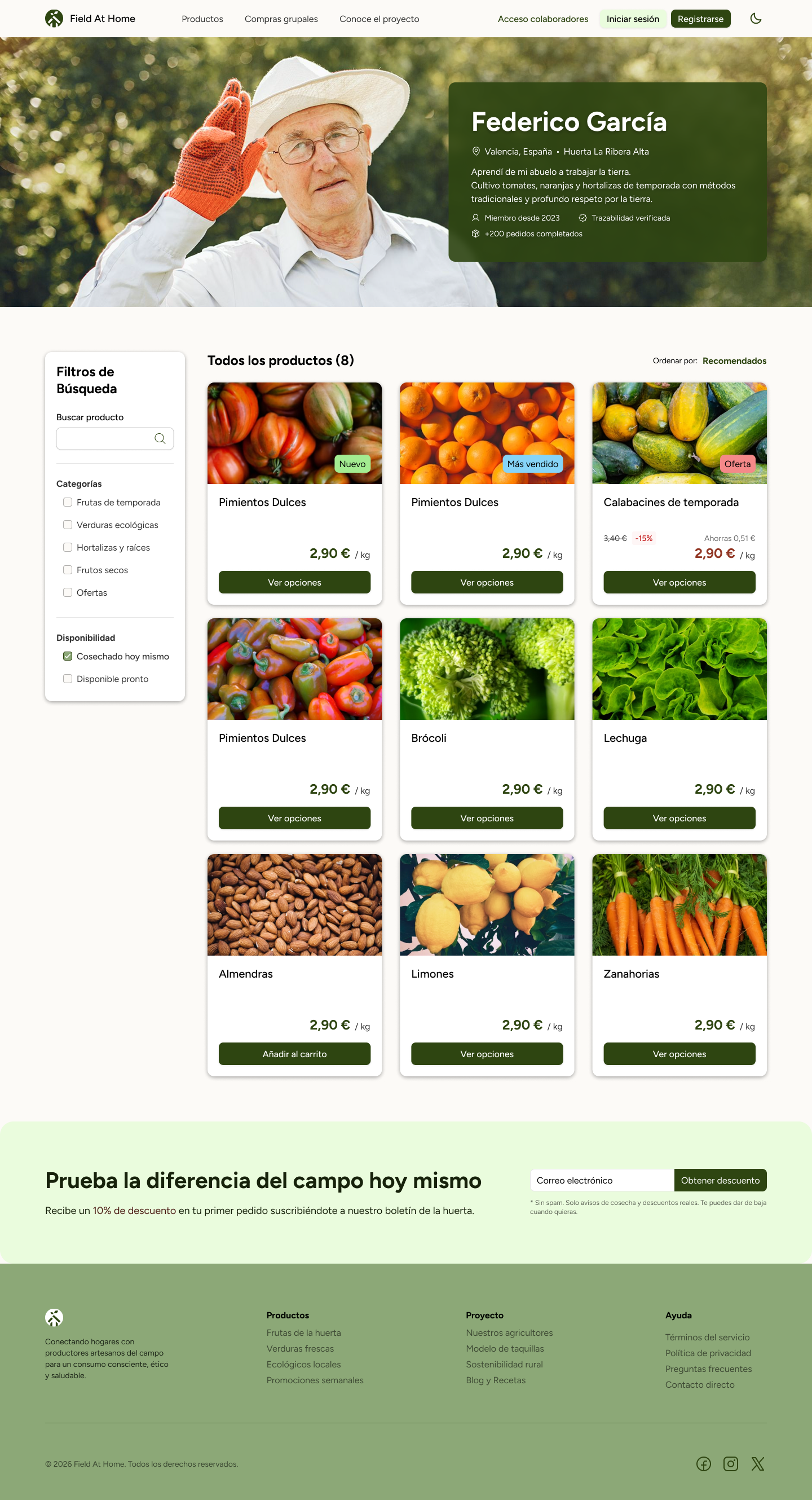
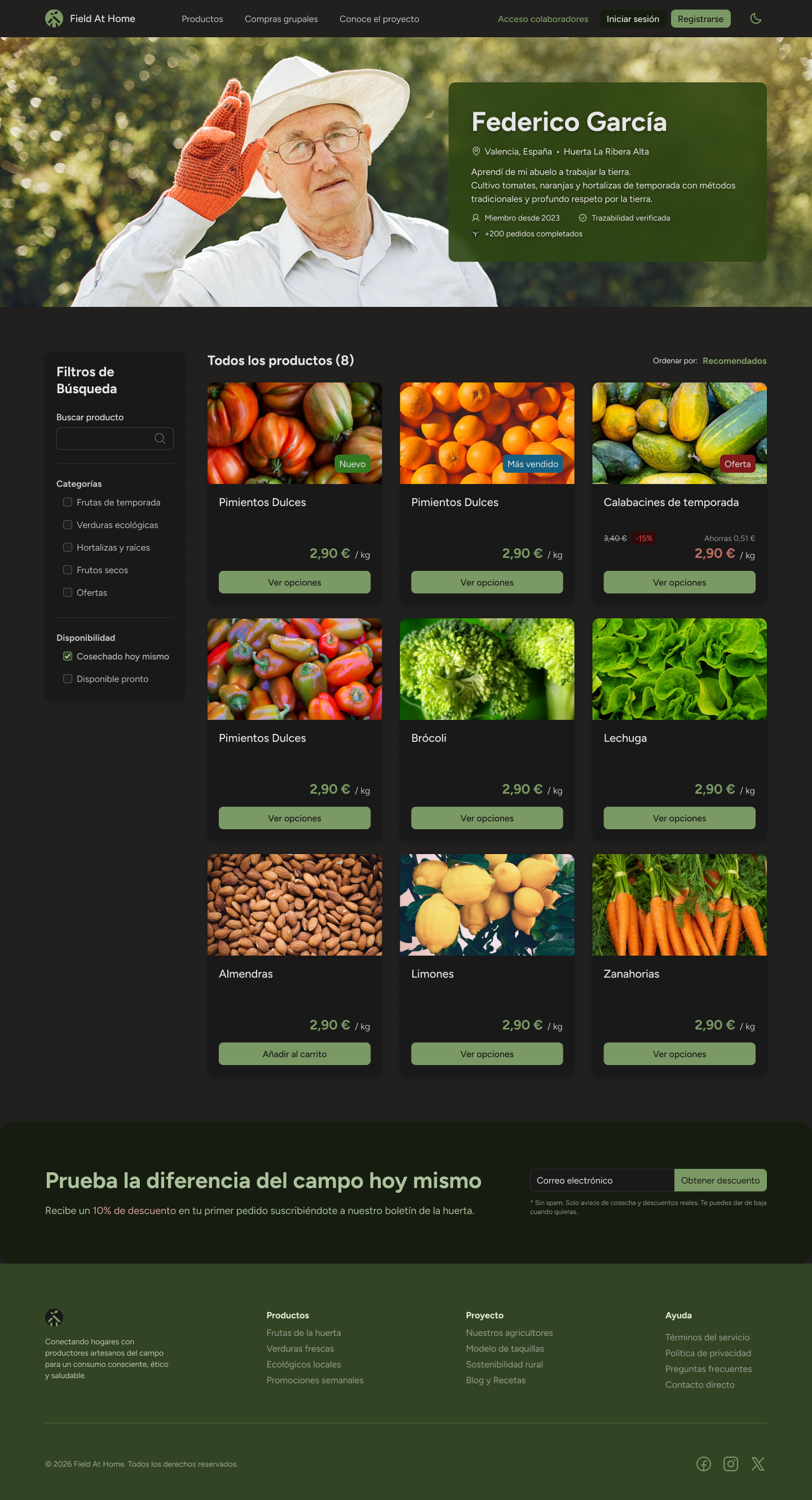
In interviews, the people we spoke with wanted to know what they would get to avoid being misled. Companies like Freshis don’t show who grows the food. Trust in a local market comes from knowing who cultivated what you eat. That’s why every product has a farmer behind it—with a name, a story, and traceability.
Shipping that kills the sale
Shipping fees were the most cited reason for dropping out.
“I’m afraid shipping will cost more than the purchase itself,” one interviewee said.
Freshis competes on speed and runs its own electric fleet, but adds a €7.90 surcharge on orders under €40.
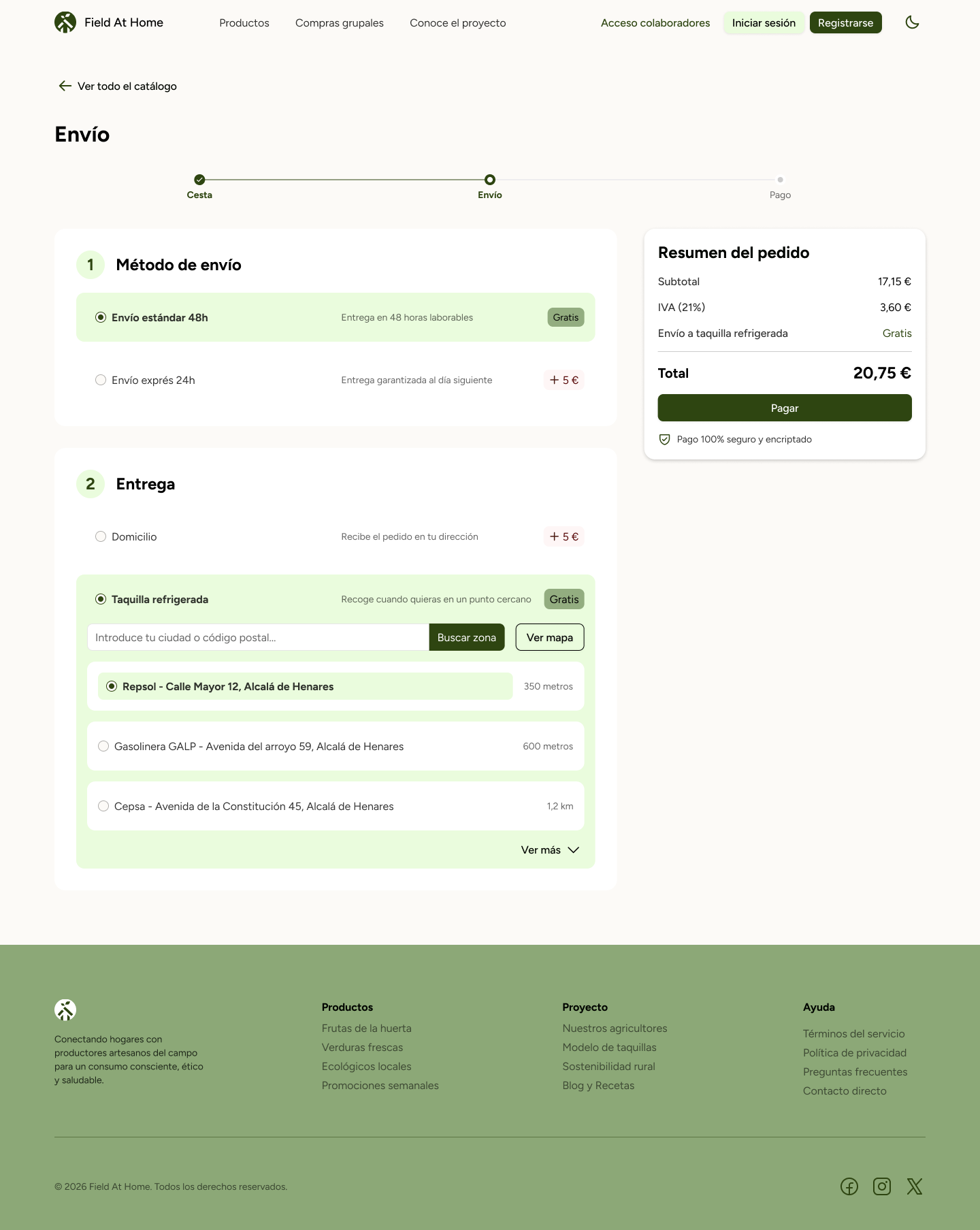
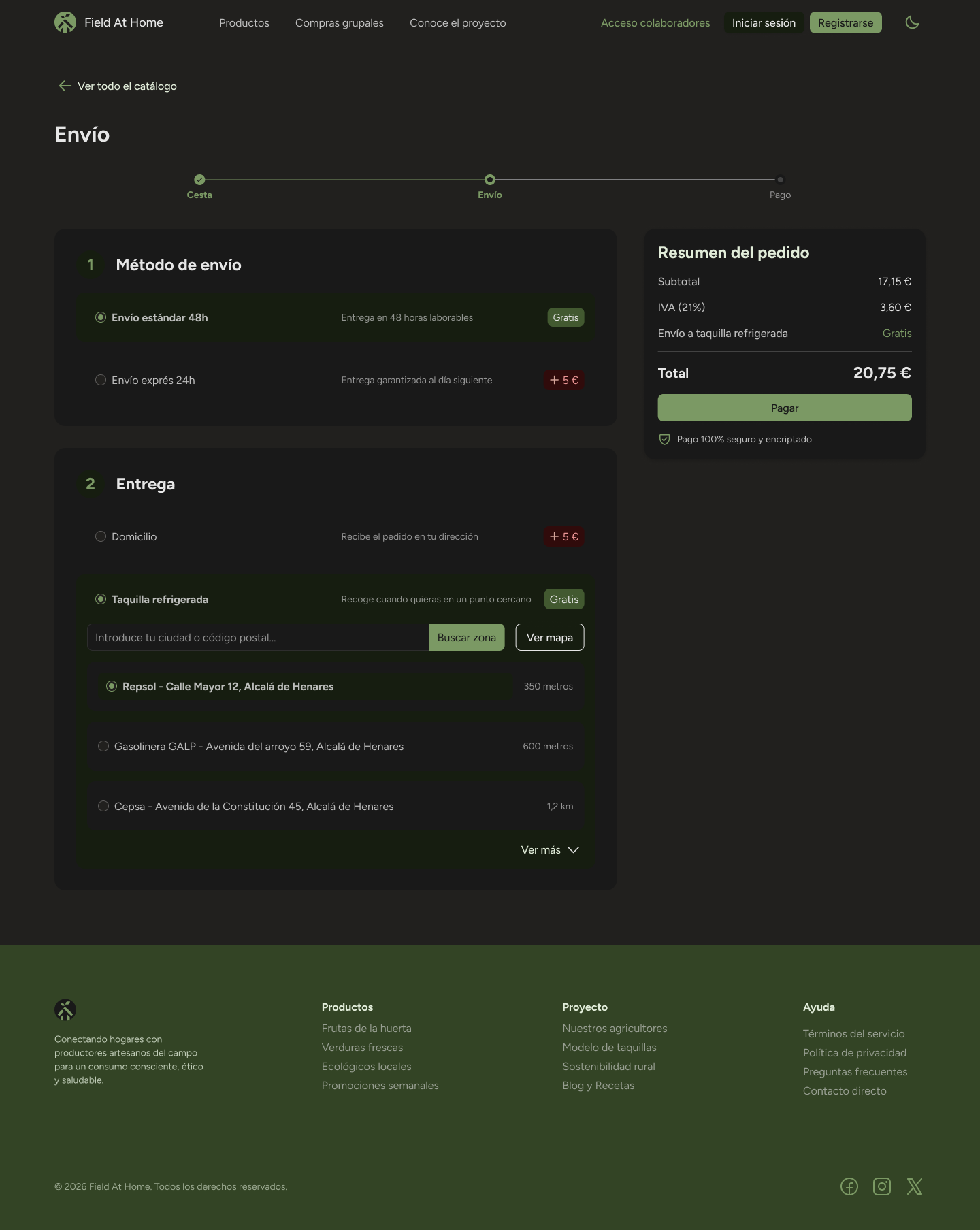
Instead of racing on speed, the bet was to consolidate orders in 24–48h and offer refrigerated lockers with free shipping. That solves the price—and the anxiety of not being home to receive the delivery.
Small orders don’t pay off
Not for the user, and not for the business. Small orders don’t cover delivery costs.
Inspiration came from an unexpected place: Pinduoduo, the Chinese marketplace that grew by grouping buyers to get better prices together.
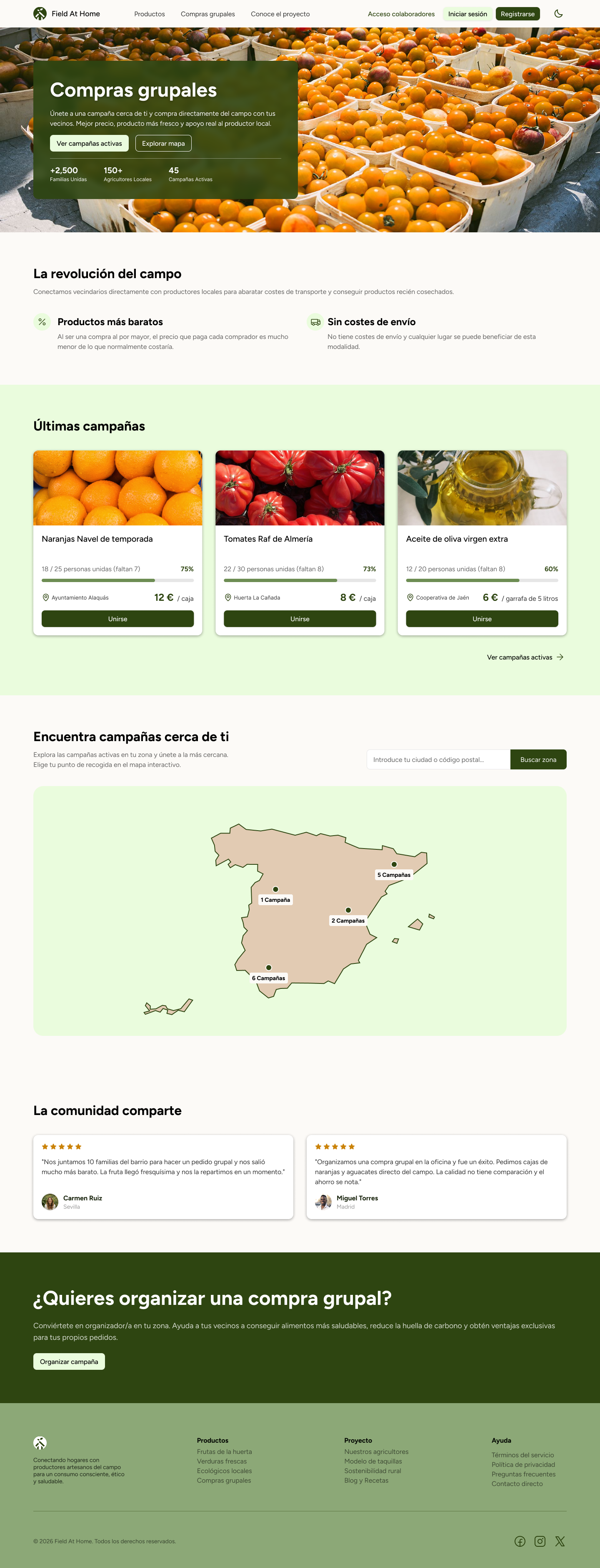
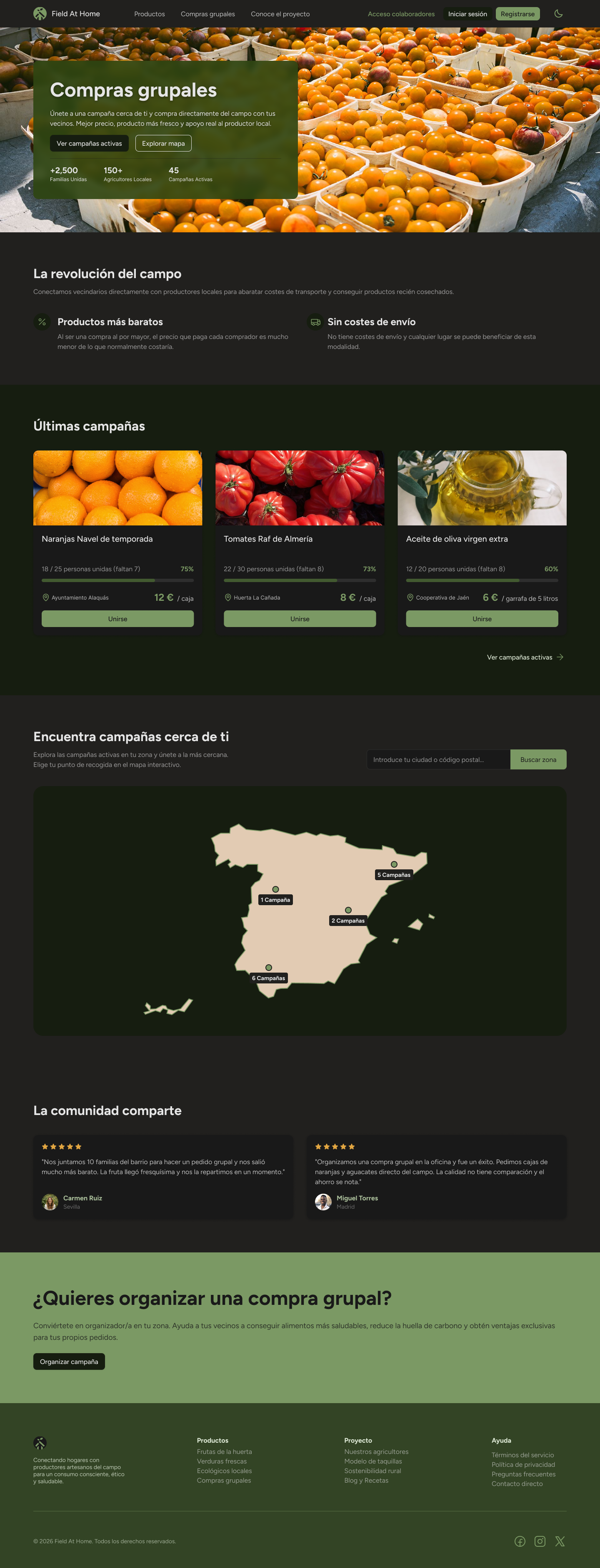
The solution: group-buy campaigns where town halls, associations, or neighbor groups organize wholesale orders directly with the farmer.
Reflection
As an academic project, validation rested on our own research: 200 surveys, interviews, and a usability test. These aren’t real production metrics.
Looking back confirms something I only sensed then: most of the hard decisions in this project weren’t about the interface—they were about the business. Trust, shipping, small orders… everything was solved first by thinking about incentives and the user, and only then about screens.